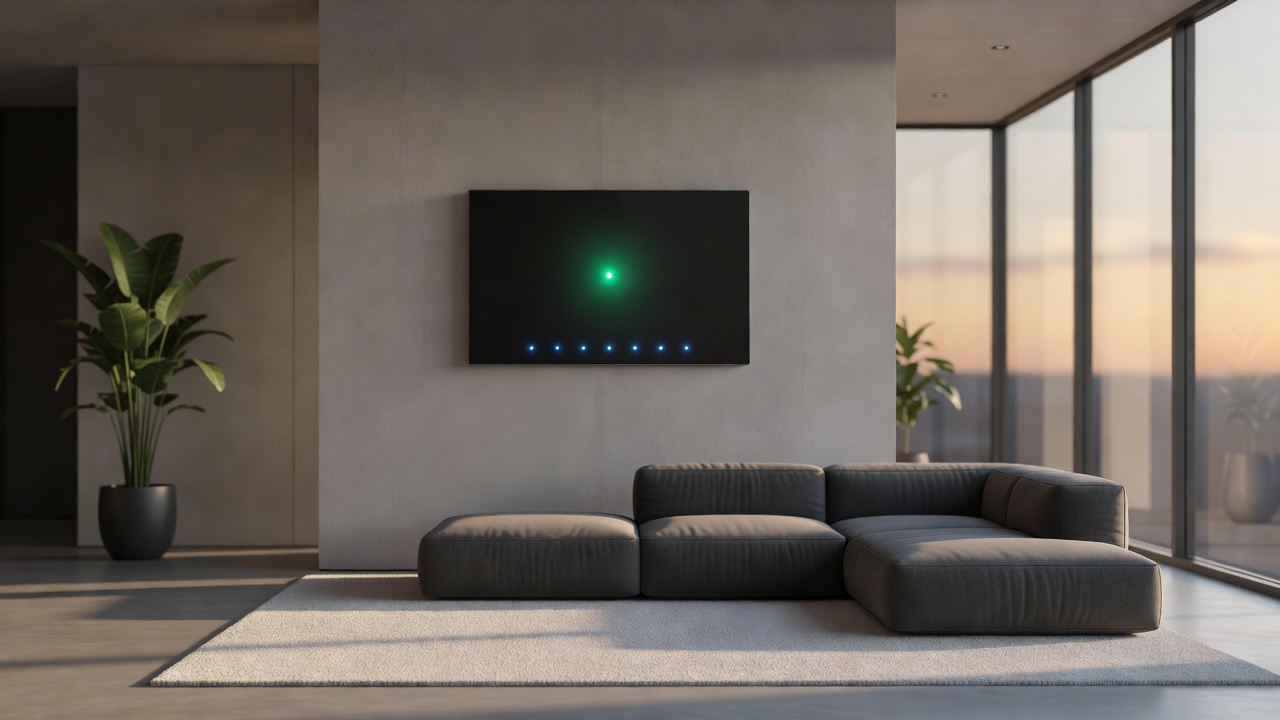
The landscape of residential security has shifted dramatically over the past decade. Traditional alarm systems—characterized by complex keypads, hardwired sensors, and reliance on analog phone lines—have increasingly been replaced by smart home alarm systems. These modern platforms leverage internet connectivity, mobile applications, and wireless protocols to offer unprecedented control, visibility, and convenience to property owners.
What Makes an Alarm "Smart"?
At its core, a smart alarm system is defined by its ability to communicate across networks and integrate with other digital devices. Rather than operating as an isolated electronic island, a smart alarm acts as a node within a broader home automation ecosystem.
The primary differentiator is the central hub. Traditional panels communicate strictly with proprietary sensors. A modern smart hub, however, typically supports multiple communication standards such as Wi-Fi, Z-Wave, Zigbee, or Bluetooth. This allows the system to aggregate data from security sensors, cameras, smart locks, and environmental detectors into a single interface.
Core Components of a Smart Alarm System
While specific packages vary, a comprehensive smart alarm setup generally includes the following elements:
- The Central Hub or Base Station: The brain of the operation. It receives signals from all sensors and communicates with the monitoring center and the user's mobile app. It usually contains a backup battery and a cellular radio to ensure functionality during power or internet outages.
- Entry Sensors (Contact Sensors): Two-piece magnetic sensors placed on doors and windows. When the magnetic bond is broken, a signal is sent to the hub.
- Motion Detectors: Utilizing Passive Infrared (PIR) technology, these detect body heat in a defined area. Advanced models feature pet-immunity to prevent false alarms from household animals.
- Environmental Sensors: Detectors for smoke, carbon monoxide, rapid temperature changes, and water leaks.
- Smart Keypads and Fobs: While mobile apps are the primary control interface, physical keypads and key fobs provide quick, secondary methods for arming and disarming the system.
Connectivity and Redundancy
One of the most critical aspects of a reliable smart alarm system is how it maintains its connection to the outside world. An alarm that relies solely on a local Wi-Fi network is vulnerable to simple internet outages or deliberate tampering, such as a localized Wi-Fi deauthentication attack or a cut broadband cable.
To mitigate these risks, robust smart alarm platforms employ dual-path communication. The primary path is usually a high-speed broadband connection (via Wi-Fi or Ethernet), while a built-in cellular chip (LTE or 5G) serves as an automatic backup. If the local internet drops, the system seamlessly transitions to the cellular network, ensuring that alerts still reach the user and the monitoring station without interruption.
Integration Capabilities
The true power of a smart alarm lies in its ability to interact with other smart home devices, creating automated routines that enhance both security and convenience.
Automated Responses
When a smart alarm is triggered, it can initiate a cascade of automated actions beyond simply sounding a siren. For example, the system can be configured so that if an outdoor motion sensor detects movement late at night, the smart exterior lights automatically illuminate, the front door deadbolt double-checks its locked status, and an interior smart speaker plays an audible warning. During a fire alarm event, the system can shut down the HVAC unit to prevent smoke circulation and unlock smart doors to facilitate an easy exit.
Pros and Cons of Smart Alarms
Before committing to a smart alarm infrastructure, it is vital to weigh the advantages against potential drawbacks.
Advantages
- Remote access and control via mobile applications.
- Real-time push notifications for specific events.
- Extensive integration with home automation platforms.
- Over-the-air (OTA) firmware updates that introduce new features and patch vulnerabilities.
- Easier DIY installation for wireless sensor variants.
Disadvantages
- Heavy reliance on home network stability for optimal performance.
- Potential cybersecurity vulnerabilities if the home network is not adequately secured (e.g., weak router passwords).
- Requires routine battery replacements for all wireless sensors.
- Often entails ongoing subscription fees to access remote app features or cellular backup services.
Conclusion
Smart home alarms represent a significant leap forward in residential security, offering dynamic, flexible, and interactive protection. By understanding the underlying technology, prioritizing redundant communication paths, and leveraging automation capabilities, property owners can build a security posture that is both highly effective and seamlessly integrated into their daily lives.